Related Posts


In our digital age, protecting your business from cyber threats is more critical than ever. As online threats become increasingly sophisticated, knowing what you’re up against can help you better safeguard your valuable information and maintain a secure environment for your users. In this post, we’ll cover the top 10 cybersecurity threats, explore the five main threats, and review the seven primary types of cybersecurity threats.
What Are the Top 10 Cybersecurity Threats?
- Phishing Attacks
Phishing is one of the most common cyber threats. Attackers send deceptive emails or messages to trick individuals into revealing personal information, such as passwords and credit card numbers. Phishing emails often appear to be from trusted sources, which makes them particularly dangerous. - Malware
Malware, or malicious software, includes viruses, worms, ransomware, and spyware. Malware is designed to damage or disrupt systems, steal data, or perform unauthorized actions on a device. It can be delivered through infected downloads, attachments, or links. - Ransomware
Ransomware is a specific type of malware that locks users out of their systems or encrypts their data until a ransom is paid. This type of attack has become increasingly prevalent and can be devastating for businesses, leading to significant data loss and downtime. - DDoS Attacks (Distributed Denial of Service)
A DDoS attack overwhelms a system with excessive traffic from multiple sources, rendering it inoperable. These attacks can be costly, disrupt business operations, and cause loss of customer trust. - SQL Injection
In an SQL injection attack, hackers insert malicious SQL code into a query to manipulate databases. This can lead to data breaches, with sensitive information such as customer data or financial records being exposed. - Insider Threats
Insider threats come from within the organization. They can be intentional or accidental, involving employees or third-party contractors with access to sensitive information. These individuals can misuse their access or be compromised by external threats. - Zero-Day Exploits
A zero-day exploit takes advantage of a software vulnerability that hasn’t been discovered or patched. Cybercriminals exploit these weaknesses before the software developers can address them, leaving systems vulnerable. - Man-in-the-Middle (MitM) Attacks
In MitM attacks, cybercriminals intercept communications between two parties to steal sensitive information, such as login credentials or financial details. Public Wi-Fi networks are often a target for these types of attacks. - Password Attacks
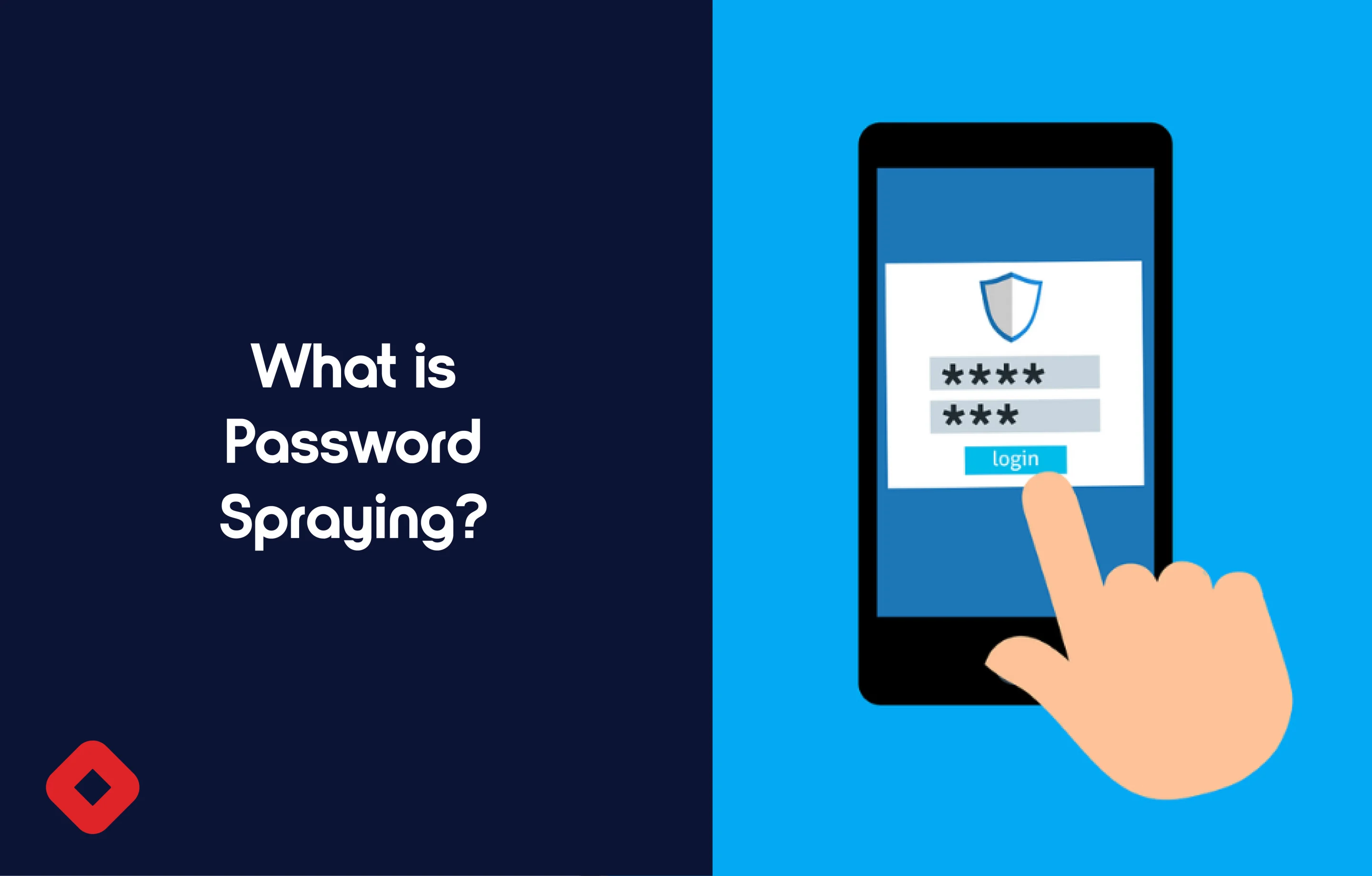
Password attacks are attempts to gain unauthorized access by cracking or guessing a user’s password. Techniques include brute force attacks, credential stuffing, and password spraying. Strong, unique passwords and multi-factor authentication are key defenses against these attacks. - Social Engineering
Social engineering manipulates individuals into divulging confidential information. This tactic can include impersonation, pretexting, or baiting. Social engineering plays on human emotions, making it a particularly insidious threat.
What Are the 5 Main Threats to Our Cybersecurity?
While there are numerous cyber threats to be aware of, the following five are consistently highlighted as primary risks:
- Phishing Attacks
The simplicity and effectiveness of phishing make it a major threat. These attacks can bypass even the most sophisticated security systems by targeting human psychology. - Malware and Ransomware
Malware in all its forms remains a significant threat. Ransomware attacks are particularly damaging, leading to massive financial losses for businesses worldwide. - DDoS Attacks
The disruption caused by DDoS attacks can be devastating for organizations. A successful DDoS attack can take down websites, block access to services, and affect customer satisfaction. - Insider Threats
Insider threats are hard to predict and control. Employees, contractors, or even business partners with access to sensitive information can be a risk, either intentionally or accidentally compromising cybersecurity. - Social Engineering
This threat is highly versatile and difficult to guard against because it involves manipulating people rather than systems. Social engineering can lead to security breaches and unauthorized access to confidential data.
How to Protect Your Business from Cybersecurity Threats
Here are a few tips to enhance your cybersecurity posture:
- Educate Employees: Provide ongoing cybersecurity training to raise awareness about threats like phishing and social engineering.
- Use Multi-Factor Authentication (MFA): Require MFA for access to sensitive systems and data, adding an extra layer of security.
- Keep Software Updated: Regularly update software and systems to protect against vulnerabilities and zero-day exploits.
- Monitor Networks: Employ monitoring tools to detect unusual activity that may indicate a cyber threat.
- Develop a Response Plan: Prepare a response plan for potential cyber incidents to minimize damage and speed up recovery.
At Brickhost, we understand the importance of cybersecurity for your business. We’re committed to providing secure hosting solutions, supporting website security enhancements, and helping you stay informed about the latest cybersecurity developments. Don’t hesitate to reach out if you have questions about keeping your digital assets safe!